
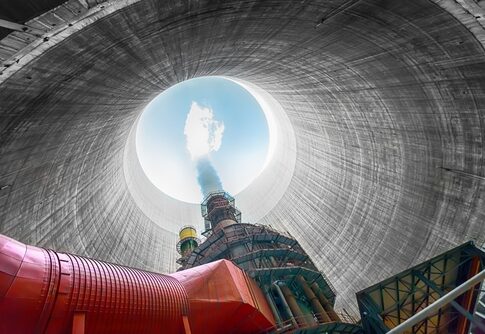
Baltimore’s main waste-to-energy facility is classified as renewable energy under Maryland law even though multiple studies report it emits more greenhouse gases per unit of electricity than the state’s coal plants, while researchers continue examining its health impacts on nearby communities.
Story Snapshot
- BRESCO, Maryland’s largest trash burner, is classified as top-tier “renewable” energy even though it is dirtier than coal per unit of electricity.
- The incinerator is Baltimore’s single biggest industrial air polluter, responsible for over a third of the city’s stationary emissions.
- Health studies and advocacy groups estimate tens of millions of dollars in yearly medical damages for nearby South Baltimore residents.
- Maryland and Baltimore officials have tightened some limits but still expect BRESCO to run into the mid‑2030s because of contracts and subsidies.
How BRESCO Works And Why Officials Call It “Clean”
Since 1985, the Baltimore Refuse Energy Systems Company, known as BRESCO, has burned city and county trash to make electricity and steam for downtown buildings. The plant can take about 2,250 tons of municipal solid waste each day and cuts the volume by roughly 90 percent, leaving ash and some scrap metal that is pulled out for recycling. Maryland’s renewable energy law places BRESCO in the same top “Tier 1” category as wind and solar, so the company has received millions of dollars in clean‑energy subsidies over the years. For state regulators and private waste haulers, this setup solves three problems at once: it gets rid of trash, generates power, and brings in subsidy money that helps keep the facility running even as it ages.
Supporters also stress that BRESCO is covered by major federal laws such as the Clean Air Act and Clean Water Act, and that it has added new emissions controls in recent years. The operator, now called WIN Waste Innovations after a rebranding, installed upgraded pollution technology around 2022 and highlights its permits and monitoring to claim the plant is a “responsible” facility. For many Americans who feel trapped between landfills on one side and rising energy costs on the other, this official story can sound appealing: burn trash, keep lights on, and let experts handle the pollution. But the data coming out of Baltimore tell a very different story about what this “green” solution looks like on the ground.
Pollution Data Show BRESCO Is Dirtier Than Coal And Hurts Local Health
Multiple studies using Environmental Protection Agency data show that BRESCO emits more greenhouse gases per unit of electricity than Maryland’s coal plants, despite its renewable label. One analysis found that in 2015, BRESCO released roughly double the climate‑warming gases per megawatt hour compared with each of the six largest coal plants in the state. Another review of air emissions concluded that the incinerator is Baltimore’s number one industrial source of nitrogen oxides, sulfur dioxide, mercury, and other harmful pollutants. Those nitrogen oxides help create ground‑level ozone, which is tied to asthma attacks and other breathing problems, while heavy metals like lead and mercury can damage the nervous system and raise long‑term cancer risks.
Public health groups have tried to put a price tag on this harm. The Chesapeake Bay Foundation estimated about $55 million per year in medical costs and lost productivity from illnesses linked to BRESCO’s air pollution alone. A newer study led by University of Maryland and Johns Hopkins researchers, still moving through peer review, calculated around $53.8 million in health damages from BRESCO in 2024. The plant’s operator disputes this work as “fundamentally flawed,” and that pushback has led some media outlets to frame the findings as uncertain. However, the broader pattern matches what researchers see around waste‑to‑energy plants nationwide: incinerators emit significant levels of fine particles and toxic gases that drive higher rates of asthma, heart disease, and some cancers in surrounding communities.
Environmental Justice: Who Breathes BRESCO’s Smoke?
Government and advocacy documents show that BRESCO’s pollution falls hardest on nearby South Baltimore neighborhoods that are largely Black and Hispanic. Communities such as Cherry Hill, Brooklyn, Lakeland, Westport, Mount Winans, and Curtis Bay sit downwind of the smokestack and already face heavy burdens from other industrial sites, including a medical waste incinerator, a landfill, and a coal transfer station. A civil rights complaint filed with the Environmental Protection Agency argues that the state’s solid waste plan and the plant’s ongoing operation unfairly load these communities with health risks while wealthier parts of the region enjoy the energy and trash removal. This local picture lines up with national research showing that about 79 percent of the remaining municipal waste incinerators in the United States are located in low‑income areas and communities of color.
Residents and health advocates say these decisions reflect a deeper failure of government: officials talk about clean energy and justice, yet allow older, high‑pollution technology to keep running where people already struggle with poverty, poor health care, and failing schools. Baltimore’s own ten‑year solid waste plan states that “little can be done by city government” to change BRESCO’s future because of long‑term private contracts, effectively locking South Baltimore into more years of exposure. At the same time, Maryland’s Renewable Portfolio Standard still treats trash burning as a top‑tier climate solution, even as other states like California have shut down their last solid waste incinerators and moved toward zero‑waste strategies built on recycling, composting, and cutting trash at the source. For conservatives and liberals alike who believe the system favors big contractors and distant regulators over ordinary families, Baltimore’s “green” incinerator has become a powerful symbol of how climate policy can be twisted to serve the few while leaving the many to breathe the smoke.
Sources:
zerohedge.com, cleanwater.org, cleanairbmore.org, chesapeakeclimate.org, baltimorebrew.com, ccanactionfund.org, wypr.org, epa.gov, no-burn.org, nmwda.org, facebook.com, energyjustice.net, ncbi.nlm.nih.gov, rethinkwaste.org
Gee BALTIMORES own burn pits just like the TROOPS experienced in Afghanistan and Iraq. I wonder how long they will hide the cancers?